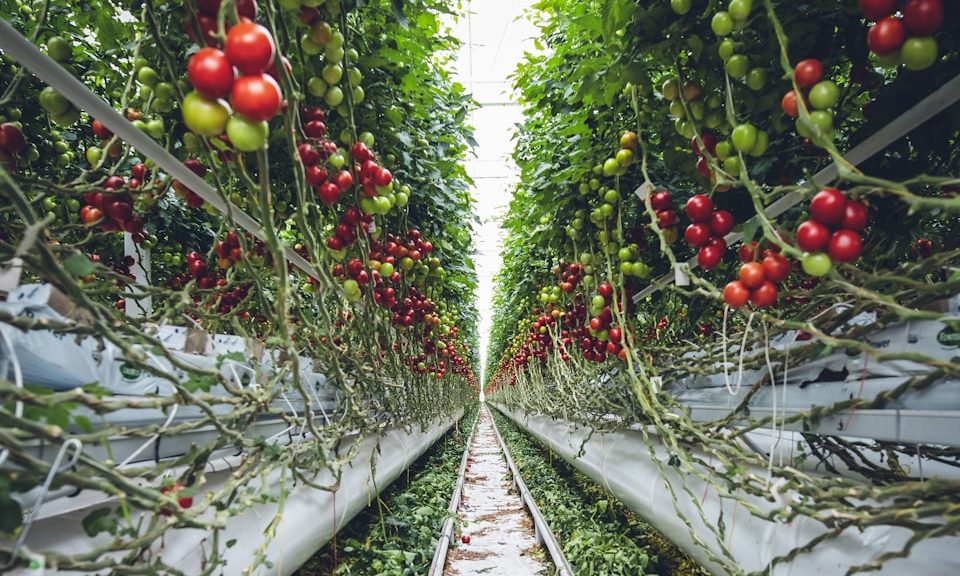
Despite its numerous advantages, vertical farming also faces challenges. High initial investment costs, energy consumption, and the need for skilled workers can be barriers to widespread adoption.
However, as technology advances and the demand for sustainable food production grows, vertical farming is poised to become an increasingly important part of the global agricultural landscape.
In conclusion, when asking “what is vertical farming?”, it is clear that this innovative approach to agriculture offers a sustainable and efficient way to meet the increasing global demand for food. By combining technology and agriculture, vertical farming presents a promising solution for the future of food production, particularly in urban environments.
If you found this article useful, you may be interested: