
Vertical Farming Systems
The Ultimate Guide to Vertical Farming Systems
As a specialists in vertical farming, ISIFARMER want to provide you with a comprehensive guide to the different vertical farming systems that can be used as a form of business. In this article, we will explain the different types of vertical farming systems, and how they can help your business.
What are vertical farming systems?
Vertical farming systems are agricultural methods that involve growing plants in vertically stacked layers using a controlled environment. The goal is to optimize space utilization, increase crop yield, and reduce the environmental impact of agriculture.
Vertical farming systems can be implemented in various settings, including commercial buildings, greenhouses, and shipping containers.
Towers
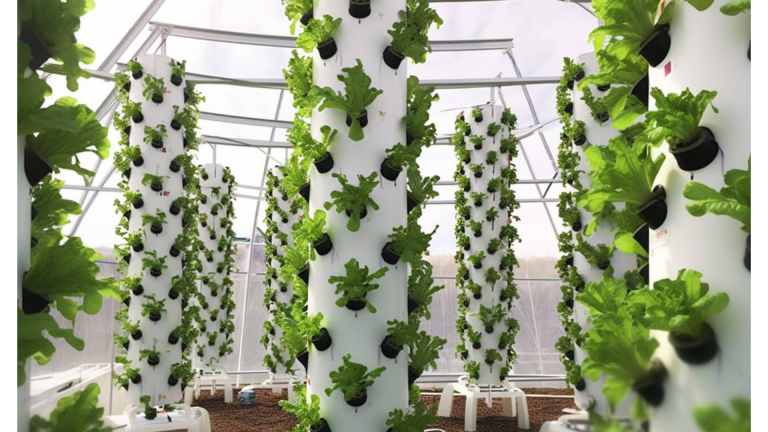
Tower systems are the most common type of vertical farming system. Is an innovative agricultural approach that aims to maximize crop yield by growing plants in a vertically stacked structure.
This system takes advantage of vertical space, allowing for the cultivation of crops in dense urban areas where traditional horizontal farming methods may not be feasible. They are typically made up of stacked trays or towers that contain plants growing in soil or hydroponics.
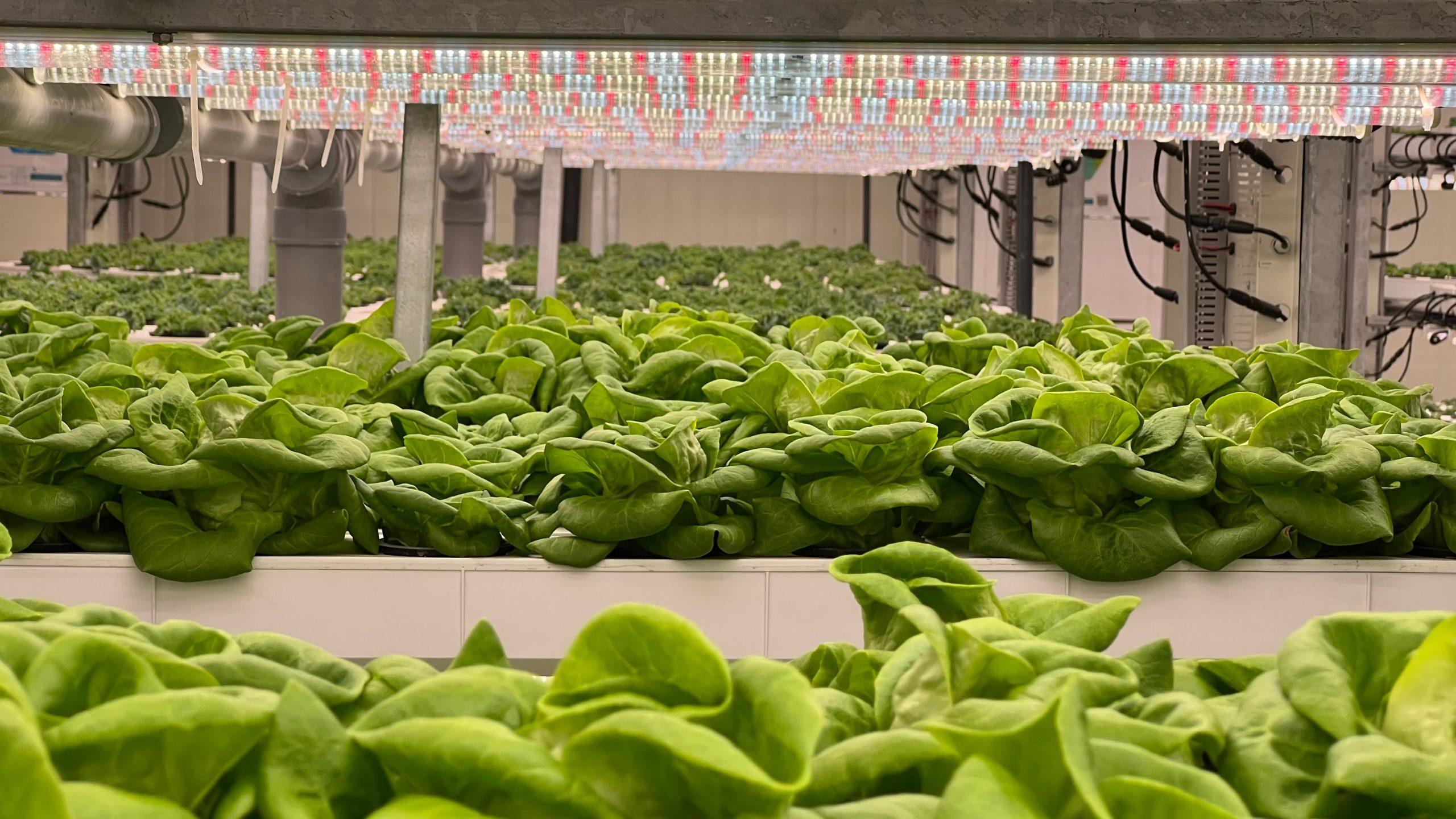
Tower systems use LED lights to provide the necessary light spectrum for plant growth. The tower system can be easily scaled up or down, making it a popular choice for both home and commercial use.
Key Components:
- Structure: The system is housed in a multi-story building, warehouse, or specially designed facility. The structure can vary in size and height, with some towers reaching several stories tall. These structures are often designed to be energy-efficient and environmentally friendly, incorporating features like solar panels or green walls to reduce their carbon footprint.
- Hydroponics or Aeroponics: Instead of using soil, vertical farming tower systems often employ hydroponics or aeroponics for growing plants. Hydroponics involves growing plants in nutrient-rich water, while aeroponics uses a mist of nutrient solution to nourish the plant roots. These methods enable precise control over the nutrients and water delivered to the plants, improving growth rates and reducing the need for harmful pesticides.
- Lighting: As natural sunlight may not be sufficient to provide adequate light for all plants in a vertical farming tower, artificial lighting is often utilized. LED lights are the most common choice, as they are energy-efficient, long-lasting, and can be tailored to provide the optimal light spectrum for plant growth.
- Climate control: To create an optimal growing environment, vertical farming towers often incorporate advanced climate control systems. These systems regulate temperature, humidity, and air circulation to ensure ideal conditions for plant growth. By maintaining a consistent environment, plants can grow more quickly and produce higher yields.
- Automation: Vertical farming tower systems often integrate automation and robotics to streamline the planting, harvesting, and maintenance processes. This reduces labor costs and minimizes the potential for human error, leading to a more efficient and reliable farming system.
- Monitoring and data analysis: Advanced sensors and monitoring systems track the health of the plants and the overall environment within the vertical farming tower. This data can be used to optimize growing conditions, identify issues, and inform decision-making, ultimately leading to improved crop yields and more efficient resource use.
Vertical farming tower systems offer numerous benefits, including reduced water usage, decreased land requirements, and minimized pesticide use. Additionally, these systems can help to increase local food production, reduce food miles, and enhance food security in urban environments.
As the world’s population continues to grow and urbanize, vertical farming towers have the potential to play a crucial role in providing sustainable and efficient food production solutions.
Racks
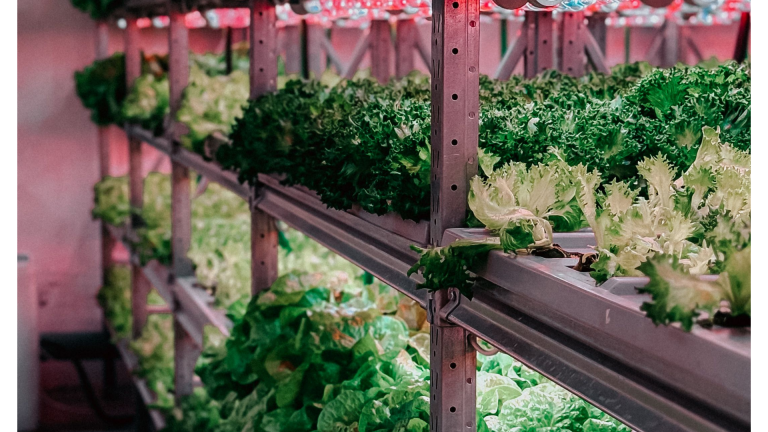
Rack systems are similar to tower systems, but they use racks to support plants instead of trays. They are often used in commercial settings, such as warehouses or factories. Rack systems can be easily customized to fit specific plant types and grow lights can be adjusted according to the plant’s growth stage. The ability to customize and adjust the rack system makes it a popular choice for commercial growers.
Similar to vertical farming tower systems, rack systems are designed to maximize crop yield within a limited footprint, making them a viable solution for urban agriculture and areas with limited land resources.
Key Components:
- Structure: Rack systems can be installed within existing buildings, greenhouses, or specially designed facilities. The racks can be customized to fit the available space, allowing for a flexible and adaptable setup.
- Hydroponics or Aeroponics: Like vertical farming tower systems, rack systems typically utilize hydroponics or aeroponics for plant cultivation. Both methods offer precise control over nutrient and water delivery, promoting healthier plant growth and reducing the need for pesticides.
- Lighting: Since natural sunlight is often insufficient to reach all plants within a rack system, artificial lighting is used to supplement or replace sunlight. LED lights are the preferred choice, as they are energy-efficient and can be adjusted to provide the optimal light spectrum for plant growth.
- Climate control: Maintaining the ideal growing conditions is crucial for successful vertical farming. Rack systems incorporate advanced climate control systems to regulate temperature, humidity, and air circulation, ensuring the plants grow in a consistent environment.
- Automation: To enhance efficiency and minimize labor costs, rack systems often integrate automation technologies. These may include automated planting and harvesting machines, as well as robotics for plant maintenance and monitoring.
- Monitoring and data analysis: Advanced sensors and monitoring systems are used to track the health of plants and the overall environment within the rack system. This data can be used to optimize growing conditions, identify potential issues, and inform decision-making to improve crop yields and resource efficiency.
Rack systems in vertical farming offer several benefits, such as reduced water usage, decreased land requirements, and minimized pesticide use. They also promote local food production, reduce food miles, and contribute to food security in densely populated urban areas.
As the global population continues to grow and urbanize, rack systems in vertical farming have the potential to play a significant role in providing sustainable and efficient food production solutions.
Wall-mounted
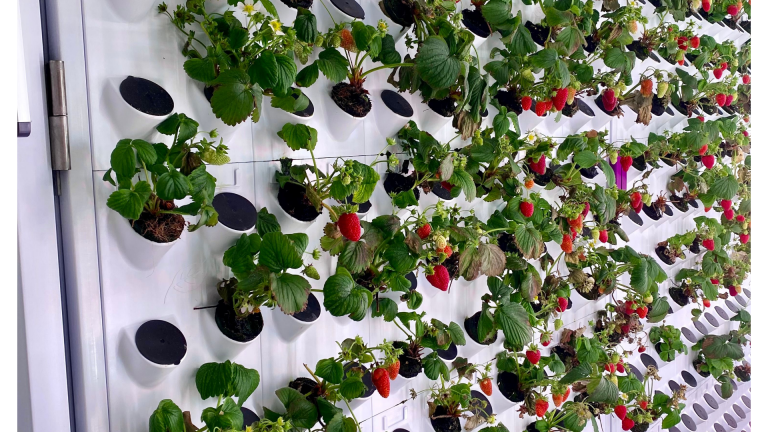
Wall-mounted systems are mounted on a wall and use vertical space to grow plants. They are often used in residential settings and can be used to grow herbs, fruits, and vegetables. Wall-mounted systems are compact and easy to install, making them a popular choice for home gardeners. The system can be easily customized to fit the available space and can be designed to incorporate grow lights and irrigation systems.
Wall-mounted systems can be installed on the exterior or interior of buildings, making them a versatile and space-saving approach to vertical farming.
Key Components:
- Structure: Wall-mounted systems consist of vertical panels, shelves, or containers affixed to a building’s walls or other supportive structures. These systems can be customized to fit various shapes and sizes, adapting to the available space and maximizing growing area.
- Hydroponics or Aeroponics: Similar to other vertical farming designs, wall-mounted systems often utilize hydroponics or aeroponics for plant cultivation. Both methods offer precise control over nutrient and water delivery, promoting healthier plant growth and reducing the need for pesticides.
- Lighting: Since natural sunlight may not reach all plants in a wall-mounted system, especially when installed indoors, artificial lighting is used to supplement or replace sunlight. LED lights are the preferred choice, as they are energy-efficient and can be adjusted to provide the optimal light spectrum for plant growth.
- Climate control: Maintaining the ideal growing conditions is essential for successful vertical farming. Wall-mounted systems incorporate climate control systems to regulate temperature, humidity, and air circulation, ensuring the plants grow in a consistent environment.
- Automation: To enhance efficiency and minimize labor costs, wall-mounted systems may integrate automation technologies. These can include automated planting and harvesting machines, as well as robotics for plant maintenance and monitoring.
- Monitoring and data analysis: Advanced sensors and monitoring systems are used to track the health of plants and the overall environment within the wall-mounted system. This data can be used to optimize growing conditions, identify potential issues, and inform decision-making to improve crop yields and resource efficiency.
Wall-mounted systems in vertical farming offer several benefits, such as reduced water usage, decreased land requirements, and minimized pesticide use. They also promote local food production, reduce food miles, and contribute to food security in densely populated urban areas.
A-Frame
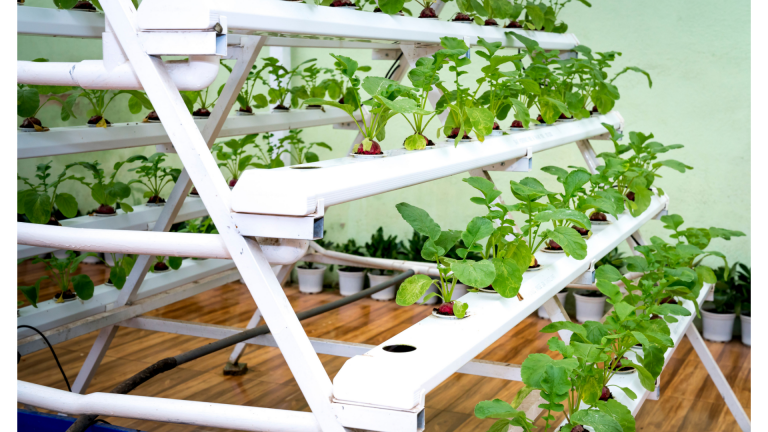
A-Frame systems are shaped like an A and use a sloping angle to optimize space utilization. They are often used in commercial settings, such as greenhouses. The A-frame system allows for efficient use of space and can be customized to accommodate different plant types. A-frame systems can be designed with integrated irrigation and climate control systems, making them a popular choice for commercial growers.
A-Frame systems are a unique design used in vertical farming, characterized by their distinctive A-shaped structure that supports multiple layers of growing platforms. This space-saving approach allows for the cultivation of plants in areas with limited land resources, making it an ideal option for urban agriculture and other space-constrained environments.
Key Components :
- Structure: A-Frame systems consist of an A-shaped frame, typically made of metal, wood, or other sturdy materials, supporting multiple tiers of growing platforms. The structure can be customized to fit various sizes and shapes, adapting to the available space and maximizing the growing area.
- Hydroponics or Aeroponics: Like other vertical farming designs, A-Frame systems often utilize hydroponics or aeroponics for plant cultivation. Both methods offer precise control over nutrient and water delivery, promoting healthier plant growth and reducing the need for pesticides.
- Lighting: Since natural sunlight may not reach all plants in an A-Frame system, artificial lighting is used to supplement or replace sunlight. LED lights are the preferred choice, as they are energy-efficient and can be adjusted to provide the optimal light spectrum for plant growth.
- Climate control: Maintaining the ideal growing conditions is essential for successful vertical farming. A-Frame systems incorporate climate control systems to regulate temperature, humidity, and air circulation, ensuring the plants grow in a consistent environment.
- Automation: To enhance efficiency and minimize labor costs, A-Frame systems may integrate automation technologies. These can include automated planting and harvesting machines, as well as robotics for plant maintenance and monitoring.
- Monitoring and data analysis: Advanced sensors and monitoring systems are used to track the health of plants and the overall environment within the A-Frame system. This data can be used to optimize growing conditions, identify potential issues, and inform decision-making to improve crop yields and resource efficiency.
A-Frame systems in vertical farming offer several benefits, such as reduced water usage, decreased land requirements, and minimized pesticide use. They also promote local food production, reduce food miles, and contribute to food security in densely populated urban areas.
Containers
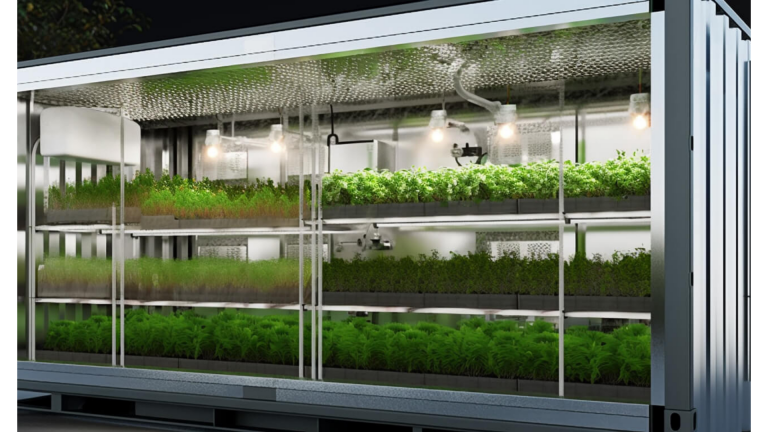
Container systems involve growing plants in shipping containers that have been modified to provide a controlled environment. They are highly customizable and can be used in various settings, including urban areas and remote locations. The container system allows for maximum control over environmental factors such as temperature, humidity, and light. Container systems can be designed to accommodate a variety of plant types, making them a popular choice for commercial growers looking for a portable and customizable solution.
The key components of container systems in vertical farming include:
- Structure: Container systems are housed within modified shipping containers, which are typically 6 to 12 cm (20 to 40 feet) long. These containers are retrofitted with the necessary equipment to support plant growth, and can be stacked or arranged in various configurations to maximize the growing area.
- Hydroponics or Aeroponics: Like other vertical farming designs, container systems often utilize hydroponics or aeroponics for plant cultivation. Both methods offer precise control over nutrient and water delivery, promoting healthier plant growth and reducing the need for pesticides.
- Lighting: Since natural sunlight is not available inside a shipping container, artificial lighting is used to provide the necessary light for plant growth. LED lights are the preferred choice, as they are energy-efficient and can be adjusted to provide the optimal light spectrum for plant growth.
- Climate control: Maintaining the ideal growing conditions is essential for successful vertical farming. Container systems incorporate climate control systems to regulate temperature, humidity, and air circulation, ensuring the plants grow in a consistent environment.
- Automation: To enhance efficiency and minimize labor costs, container systems may integrate automation technologies. These can include automated planting and harvesting machines, as well as robotics for plant maintenance and monitoring.
- Monitoring and data analysis: Advanced sensors and monitoring systems are used to track the health of plants and the overall environment within the container system. This data can be used to optimize growing conditions, identify potential issues, and inform decision-making to improve crop yields and resource efficiency.
Container systems in vertical farming offer several benefits, such as reduced water usage, decreased land requirements, and minimized pesticide use. They also promote local food production, reduce food miles, and contribute to food security in densely populated urban areas.
As the global population continues to grow and urbanize, container systems in vertical farming have the potential to play a significant role in providing sustainable and efficient food production solutions.
Each of these vertical farming systems has its own unique advantages and disadvantages. When choosing the right system for your needs, consider factors such as available space, plant types, budget, maintenance requirements, and climate. With the right system in place and proper care, vertical farming can provide a sustainable and efficient solution for your business or home gardening needs.
Choosing the Right System
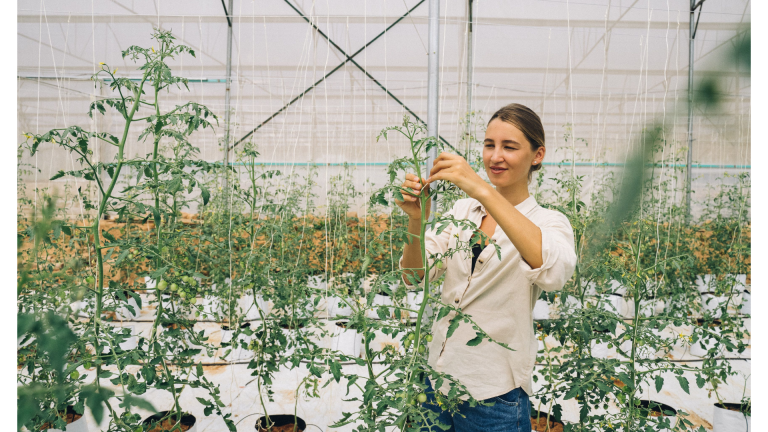
When choosing a vertical farming system for your business, several factors should be considered, including:
- Available space
- Type of crops to be grown
- Budget
- Maintenance requirements
- Climate
It is essential to choose a system that meets your business’s needs and can provide high yields and profitability. Here is an overview of when and why to choose each of the vertical farming systems mentioned previously:
Choosing the appropriate vertical farming system depends on factors such as available space, budget, climate, and crop type. Each system has its unique advantages, making them suitable for different scenarios. Here is an overview of when and why to choose each of the vertical farming systems mentioned previously:
Tower:
- You have access to a multi-story building, warehouse, or space for a purpose-built facility.
- You want to maximize crop yield in a limited footprint.
- You plan to scale up operations, as tower systems are often designed for large-scale commercial production.
This system is ideal for urban environments, where land is scarce and there is a need for high-yield farming methods.
Rack:
- You have an existing building or greenhouse that can be retrofitted to accommodate racks.
- You need a flexible and adaptable system that can be customized to fit various spaces.
- You are looking for a cost-effective solution, as rack systems can be less expensive than building new facilities.
This system is suitable for small- to medium-scale operations and can be easily adapted to a range of environments.
Wall-mounted:
- You have limited horizontal space but access to vertical surfaces, such as building walls or other supportive structures.
- You want to improve the aesthetics of urban environments, as wall-mounted systems can function as living walls or green facades.
- You are focused on growing small- to medium-sized plants that can be easily supported on vertical panels.
This system is perfect for urban farming initiatives, rooftop gardens, and improving air quality in densely populated areas.
A-Frame:
- You have a relatively small space but want to maximize growing area.
- You prefer a compact and portable system that can be easily relocated or reconfigured.
- You are growing a variety of plants that require different growing conditions, as A-Frame systems allow for easy separation of different growing zones.
This system is suitable for small-scale operations, urban gardens, or educational facilities, where flexibility and adaptability are crucial.
Container:
- You have limited space and want a modular, scalable solution that can be easily expanded or relocated.
- You want a self-contained system with a controlled environment that is independent of external conditions.
- You prefer a turnkey solution that can be quickly set up and operational.
This system is ideal for urban agriculture, research facilities, and businesses that require a portable and adaptable farming solution.
In conclusion, selecting the appropriate vertical farming system depends on the specific needs and constraints of the project. Each system has its advantages and is suitable for different scenarios. Carefully evaluating factors such as space, budget, climate, and crop type will help determine the most suitable vertical farming system for your particular situation.
Maintenance
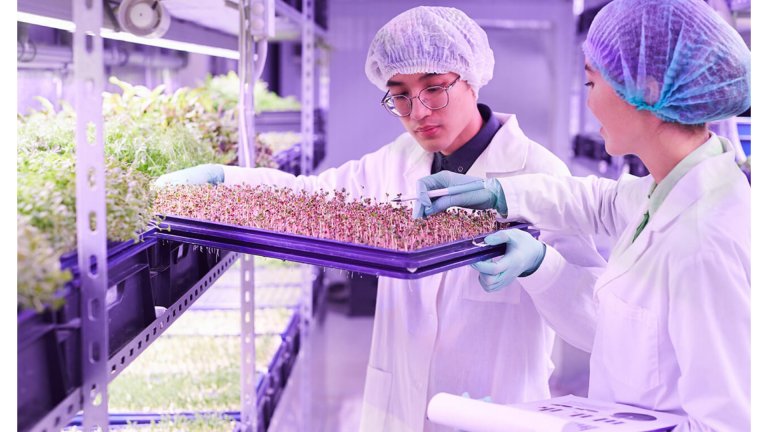
Maintenance and care of vertical growing systems are essential to ensure optimal performance and prolong the life of the system. Some important aspects of maintenance include regular cleaning of the system, monitoring of water quality, and proper fertilization. In addition, it is crucial to have a maintenance and repair plan in case of failures or problems.
While each vertical farming system has unique features, some general maintenance and care practices apply across all systems:
- Regular cleaning: Keep the growing area and equipment clean to prevent the buildup of algae, mold, or pests. Regularly clean the hydroponic or aeroponic systems, including nutrient reservoirs, pipes, and nozzles, to ensure proper functioning and prevent clogging.
- Nutrient management: Monitor and maintain nutrient levels in hydroponic or aeroponic systems, ensuring that plants receive the optimal balance of nutrients. Regularly check the pH and nutrient concentration, and adjust as needed to maintain the appropriate range for the specific crops being grown.
- Water quality: Regularly test the water used in hydroponic or aeroponic systems for contaminants or imbalances. High-quality water is essential for plant health, and issues such as high salt levels or waterborne pathogens can negatively impact plant growth.
- Lighting maintenance: Inspect and maintain the artificial lighting systems, including LED lights or other light sources. Replace any burnt-out or malfunctioning lights and ensure that the light spectrum and intensity are appropriate for the crops being grown.
- Climate control: Regularly check the climate control systems to ensure they are functioning correctly and maintaining the desired temperature, humidity, and air circulation levels. Clean and replace filters as needed and perform any necessary maintenance on heating, cooling, and ventilation systems.
- Pest and disease management: Monitor plants for signs of pests or diseases and address issues promptly. Implement integrated pest management strategies, such as biological controls or targeted pesticide applications, to minimize the impact of pests and diseases on crop yield and quality.
- Automation and monitoring: Regularly inspect and maintain automated systems, such as planting and harvesting machines, robotics, and sensors. Ensure that all components are functioning correctly and update software or firmware as needed to optimize system performance.
- Structural integrity: Periodically inspect the structural components of the vertical growing system, such as racks, A-frames, or wall-mounted panels, for signs of wear or damage. Repair or replace any damaged parts to maintain system stability and safety.
- Training and pruning: Regularly prune and train plants to optimize their growth and productivity within the vertical farming system. Remove dead or diseased plant material and ensure proper air circulation around plants to minimize the risk of disease.
- System evaluation: Continuously evaluate the performance of the vertical farming system, including crop yields, resource usage, and overall system efficiency. Use data gathered from monitoring systems to identify areas for improvement and implement changes as needed to optimize system performance.
Cost
The cost of vertical growing systems varies depending on the type of system and its size. Larger and more complex systems may have a significant initial cost, but in the long run, they may be more cost effective due to their high efficiency and consistent production. It is important to consider installation, maintenance and operating costs when deciding which vertical farming system is right for your business.
Here is a brief overview of the costs associated with each vertical farming system, followed by a comparison:
Tower
Costs for tower systems can be relatively high due to the need for multi-story buildings or purpose-built facilities, as well as the requirement for advanced climate control, lighting, and automation systems. These costs include the initial investment for construction or retrofitting, equipment and installation costs, and ongoing operational costs such as energy, water, and labor. However, tower systems offer high-yield potential, which can offset the costs over time.
Rack
Rack systems can be more cost-effective than tower systems, particularly when retrofitting existing buildings or greenhouses. Initial costs include purchasing and installing the racks, climate control, lighting, and automation systems. Ongoing costs include energy, water, and labor. The flexibility and adaptability of rack systems can make them an attractive option for small- to medium-scale operations.
Wall-mounted
Wall-mounted systems tend to have lower initial costs, as they often require minimal structural modifications and can be installed on existing vertical surfaces. Costs include the purchase and installation of vertical panels or containers, lighting, and irrigation systems. Ongoing costs include energy, water, and labor. However, wall-mounted systems may have lower overall crop yield potential compared to other systems due to their limited growing area.
A-Frame
A-Frame systems typically have moderate initial costs, as they require the construction of the A-shaped frame and installation of growing platforms, climate control, lighting, and irrigation systems. Ongoing costs include energy, water, and labor. The compact nature and flexibility of A-Frame systems can make them suitable for small-scale operations and locations with limited space.
Container
Container systems have relatively moderate initial costs, as they involve purchasing and retrofitting shipping containers, as well as installing climate control, lighting, and irrigation systems. Ongoing costs include energy, water, and labor. The modular and scalable nature of container systems can be an advantage for operations that require portability or have plans for future expansion.
Cost Comparison
In general, vertical farming tower systems tend to have the highest initial costs due to the need for multi-story facilities and advanced equipment. However, their high-yield potential can offset these costs over time.
Rack and container systems offer more moderate costs and can be an attractive option for small- to medium-scale operations or businesses that require flexibility and adaptability. Wall-mounted systems typically have the lowest initial costs, but may have lower crop yield potential due to their limited growing area.
A-Frame systems offer a balance between cost and space efficiency, making them suitable for small-scale operations.
Ultimately, the most cost-effective vertical growing system will depend on factors such as available space, budget, crop type, and scale of operation. When evaluating costs, it is essential to consider not only the initial investment, but also ongoing operational costs and the potential return on investment through crop yields and resource efficiency.
How do I Choose the Right System?
To choose the right vertical farming system, consider factors such as available space, budget, desired crop types, and scale of operation. Evaluate the potential return on investment, resource efficiency, and ease of maintenance for each system to make an informed decision.
Personal Use
For individuals seeking to implement vertical farming techniques and systems for personal use, it is essential to consider factors such as available space, budget, and desired crop types. Wall-mounted systems and A-Frame systems can be ideal choices due to their lower initial costs and suitability for small-scale operations. Container systems may also be an option for those who require a modular and portable solution.
When choosing a vertical farming system for personal use, prioritize systems that are easy to maintain, adaptable, and provide a satisfactory yield for your household needs.
Business Use
For businesses looking to implement vertical farming techniques and systems, it is crucial to consider the scale of operation, long-term goals, and return on investment. Vertical farming tower systems and rack systems can be suitable choices for large-scale commercial production due to their high-yield potential and adaptability. Container systems can also be an attractive option for businesses that require scalability and portability.
When choosing a vertical farming system for business use, consider factors such as initial investment, ongoing operational costs, automation capabilities, and potential for expansion. Carefully evaluate the profitability and sustainability of the chosen system to ensure long-term success in the vertical farming industry.
If all this overwhelms you, don’t worry, we are here to help you and guide you through the vertical farming process
FAQs
- What is the most efficient vertical growing system?
The most efficient vertical growing system depends on the specific needs of the business. However, tower and rack systems are the most common and widely used today. - Are vertical farming systems suitable for all types of crops?
While most vertical farming systems can accommodate a wide range of crops, some systems may be better suited for specific crop types. It’s essential to consider factors such as plant size, lighting requirements, and growth habits when choosing a system for a particular crop. - What is the lifespan of a vertical farming system?
The lifespan of a vertical growing system depends on the type of system, proper care and maintenance, and other factors. In general, a well-maintained system is expected to last several years.
Related Posts
Vertical Farming Crops and Plants
Discover the top crops and plants for vertical farming in our concise article. Explore ideal varieties, and learn how to optimize space and yield in urban agriculture.
How to Start Vertical Farming
The most complete guide to setting up a vertical farm, with all the steps you have to do before starting the project, how to choose the right growing equipment, estimating costs and financing, and the steps to set up your farm and do the proper follow-up.