





Skip to content

How to Start Vertical Farming

Starting a vertical farm involves much more than choosing a growing system. You need to understand your market, choose the right crops and technology, build a viable financial model and create an operation that can consistently produce and sell.

Here’s an overview of the key stages. If you want to go from understanding the process to actually planning your own farm, our courses take you through each stage in detail.

The 7 stages of setting up an urban farm

1: Define your business

Before choosing equipment or crops, you need to establish what you are trying to achieve. Are you planning a commercial farm, a small-scale operation, a community project, or something else? Your goals, available resources and desired scale will influence almost every decision that follows.

2: Understand your market

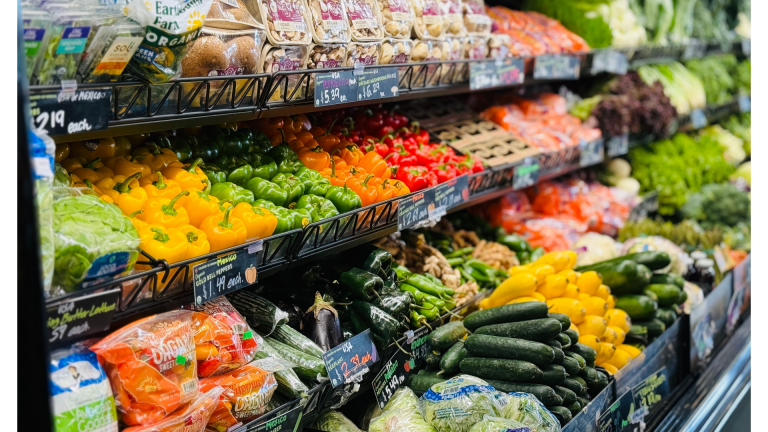
A successful farm needs a viable market for its produce. Identify who your potential customers are, such as restaurants, retailers or direct consumers, and understand what they want to buy. Research existing producers, local competition, prices and consumer demand to identify opportunities for your farm.

3: Choose your farm model

Your location, available space, crops and growing method all need to work together. You’ll need to consider where the farm will operate, what you want to grow and which production system is appropriate. These decisions will also determine the infrastructure, environmental controls and other equipment you’ll need.

4: Build the business case

Vertical farming requires investment, so it’s important to understand the economics before committing to a project. Consider the costs of infrastructure, lighting, irrigation, climate control, labour, energy and other inputs alongside your expected production and revenue. A clear financial model can help you determine whether your idea is viable and what funding you may need.

5. Design your growing operation

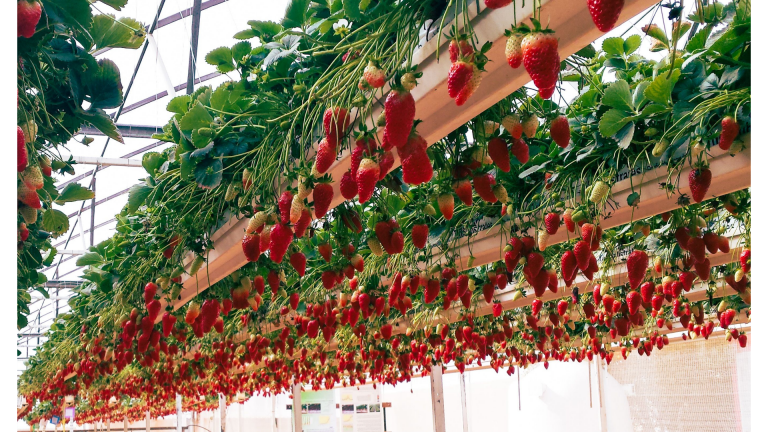
Once the fundamentals are established, you can start designing the farm itself. This includes selecting growing racks, lighting, irrigation, environmental control and monitoring systems that are appropriate for your crops and scale. The objective is to create a controlled growing environment that supports consistent production while using resources efficiently.

SEE ALL TYPES OF VERTICAL FARMING TECHNIQUES:

6. Launch and operate

Setting up the farm is only the beginning. You’ll need to install and test your systems, establish growing routines, monitor crops and manage harvesting. At the same time, you need a plan for getting your produce to customers and maintaining consistent quality as the operation develops.

7. Optimise and scale

A successful farm should continually learn from its own data. Tracking yields, costs, environmental conditions and sales can help you identify opportunities to improve efficiency and profitability. As you gain experience, you can refine your growing practices, improve your systems and decide whether and when to expand.

Conclusion

Starting a vertical farm is an exciting and sustainable way to produce fresh and healthy food. By following these essential steps and tips, you can start your own successful vertical farm and contribute to a more sustainable future. Good luck and happy growing!

If all this overwhelms you, don’t worry, we are here to help you and guide you through the vertical farming process.

Related Posts

Vertical Farming Crops and Plants

Discover the top crops and plants for vertical farming in our concise article. Explore ideal varieties, and learn how to optimise space and yield in urban agriculture.
Vertical Farming Techniques

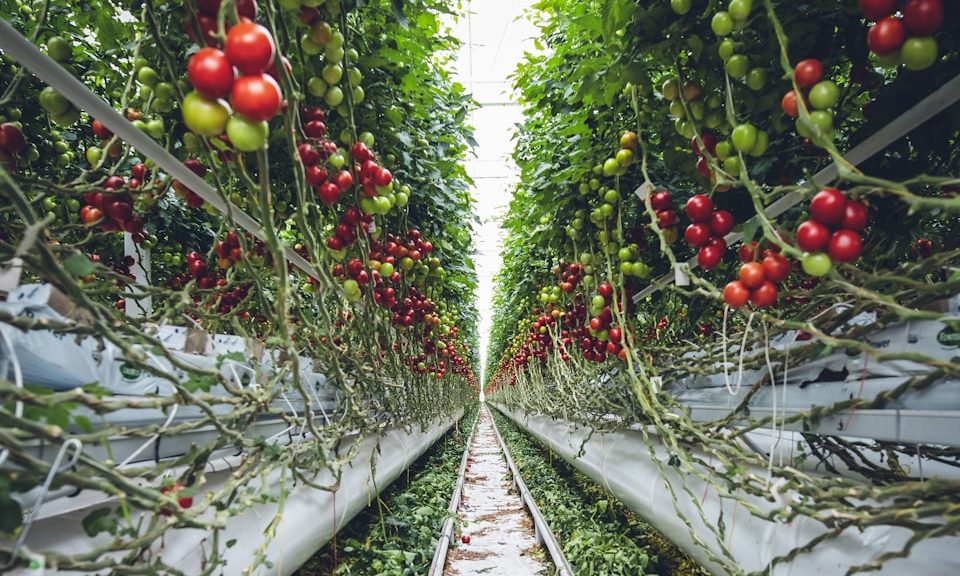
Increase the yield of your crops with revolutionary vertical farming techniques, while saving resources and helping protect our planet. Discover the future of sustainable farming and find out how now!