
Vertical Farming Crops
Vertical farming offers a sustainable and efficient method for producing a wide range of vertical farming crops in urban environments. This article provides a comprehensive vertical farming crops list, discussing the best crops for vertical farming and best plants for vertical farming. By selecting suitable crop varieties and employing the appropriate vertical farming methodologies, growers can maximize their yield and contribute to a more sustainable and resilient food production system. In this article, we explore various crops grown in vertical farming, focusing on which plants can be grown in vertical farming and crops suitable for vertical farming.
Note: During the following article we will mention the different types of vertical farming techniques and systems that can be used with the different types of crops and plants recommended.
We recommend that if you do not know them yet, you should read our article beforehand, in order to understand faster and better what we are going to mention next.
Leafy Greens
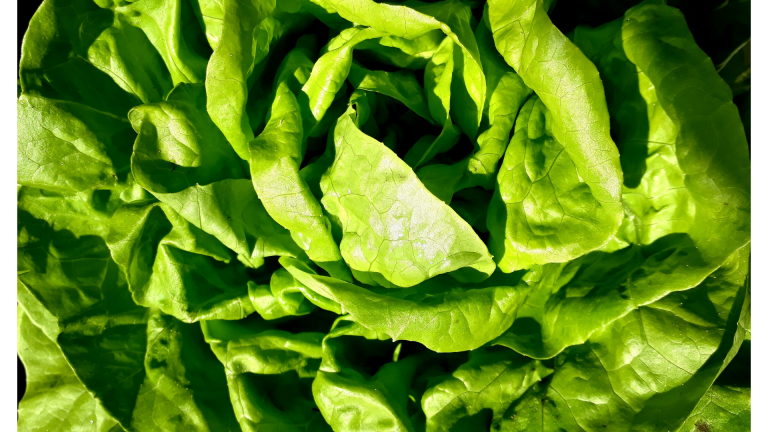
Suitable vertical farming methodologies for leafy greens
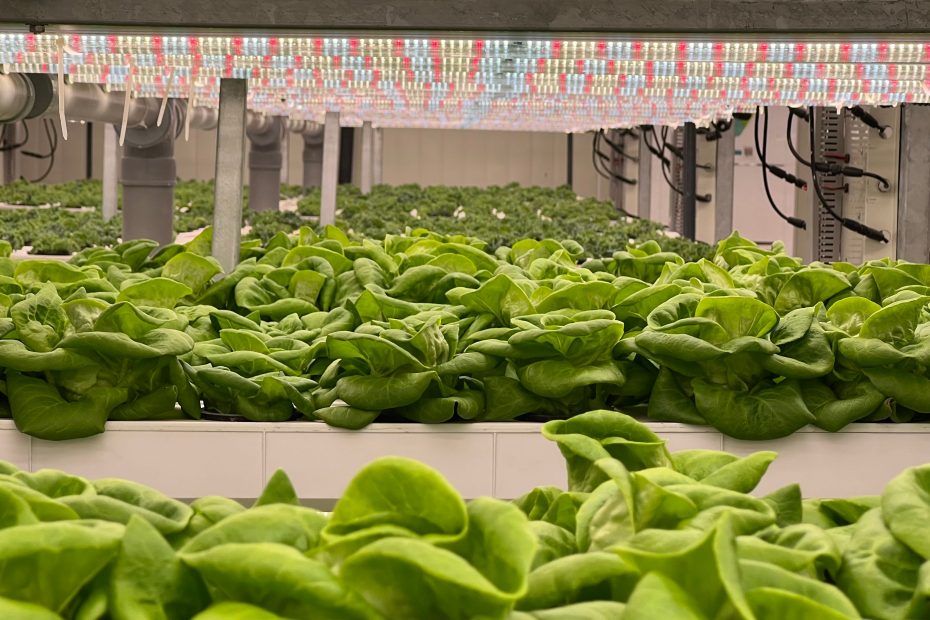
Leafy greens such as lettuce, kale, spinach, and arugula are ideal for vertical farming due to their short growth cycles and modest space requirements. These crops can be grown using hydroponic or aeroponic systems.
Vertical farming planting steps for leafy greens
- Select the desired plant variety and obtain seeds or seedlings.
- Prepare the vertical farming system by setting up the required equipment, such as a nutrient reservoir, growing trays or towers, and LED lights.
- For hydroponic systems, fill the reservoir with a nutrient-rich water solution and ensure the proper pH level is maintained.
- Place seeds or seedlings in the growing medium, such as rockwool or coconut coir, and position them in the trays or towers.
- Provide adequate lighting, maintaining a consistent photoperiod and light intensity for optimal growth.
- Monitor temperature, humidity, and nutrient levels, adjusting as necessary to ensure optimal growing conditions.
- Harvest the leafy greens when they reach the desired size and maturity.
Herbs
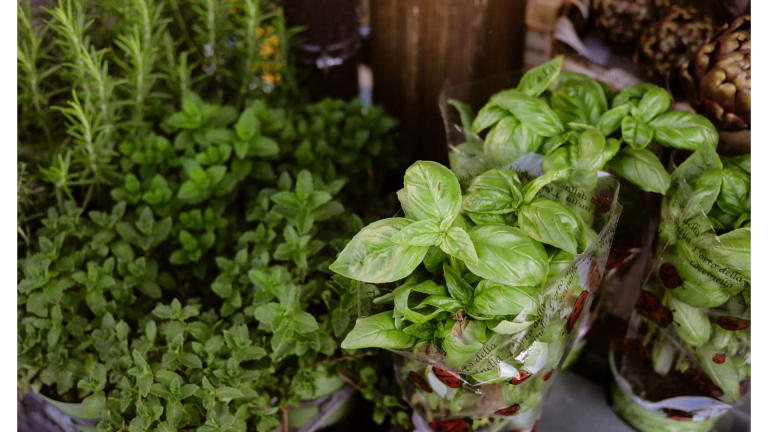
Suitable vertical farming methodologies for herbs
Herbs such as basil, mint, cilantro, and parsley have high yields and can be harvested continuously, making them popular choices for vertical farming. These crops can be grown using hydroponic or aeroponic systems.
Vertical farming planting steps for herbs
- Choose the herb variety and obtain seeds or seedlings.
- Set up the vertical farming system, including nutrient reservoirs, growing trays or towers, and LED lights.
- Prepare the hydroponic or aeroponic system with the appropriate nutrient solution and pH level.
- Place seeds or seedlings in the growing medium and position them in the trays or towers.
- Ensure proper lighting conditions, maintaining a consistent photoperiod and light intensity for optimal growth.
- Regularly monitor and adjust temperature, humidity, and nutrient levels to maintain ideal growing conditions.
- Harvest the herbs as needed, taking care not to remove more than one-third of the plant at a time to encourage continuous growth.
Microgreens
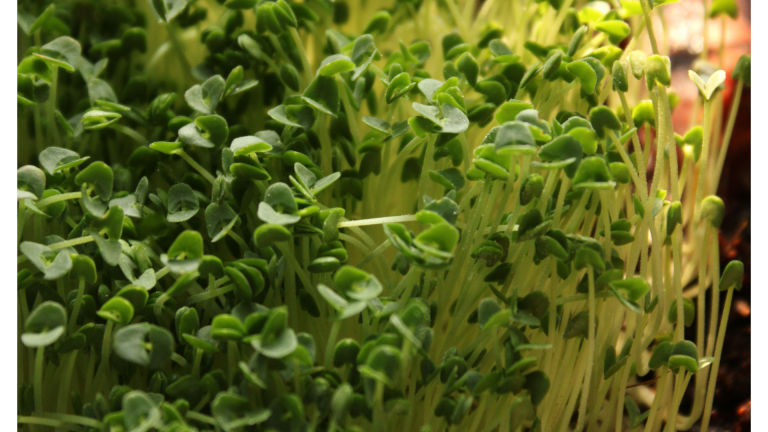
Suitable vertical farming methodologies for microgreens
Microgreens like broccoli, radish, and mustard are highly nutritious and can be cultivated in just a few weeks, making them ideal for vertical farming. These crops can be grown using hydroponic or aeroponic systems.
Vertical farming planting steps for microgreens
- Select the desired microgreen variety and obtain seeds.
- Prepare the vertical farming system with the necessary equipment, such as nutrient reservoirs, growing trays, and LED lights.
- Fill the reservoir with a nutrient-rich water solution and ensure the proper pH level for hydroponic systems.
- Spread seeds evenly across the growing medium, such as a coconut coir mat, and place the mat in the growing trays.
- Provide adequate lighting, maintaining a consistent photoperiod and light intensity for optimal growth.
- Monitor temperature, humidity, and nutrient levels, adjusting as necessary to ensure optimal growing conditions.
- Harvest the microgreens when they develop their first set of true leaves, typically within 2-4 weeks after germination. Use a sharp, clean pair of scissors to cut the microgreens just above the growing medium.
Edible Flowers

Suitable vertical farming methodologies for edible flowers
Edible flowers, such as nasturtiums, violas, and marigolds, can add visual appeal and unique flavors to dishes. These ornamental crops can be grown using hydroponic or aeroponic systems in vertical farms.
Vertical farming planting steps for edible flowers
- Choose the desired edible flower variety and obtain seeds or seedlings.
- Set up the vertical farming system, including nutrient reservoirs, growing trays or towers, and LED lights.
- Prepare the hydroponic or aeroponic system with the appropriate nutrient solution and pH level.
- Place seeds or seedlings in the growing medium, such as rockwool or coconut coir, and position them in the trays or towers.
- Ensure proper lighting conditions, maintaining a consistent photoperiod and light intensity for optimal growth.
- Monitor and adjust temperature, humidity, and nutrient levels to maintain ideal growing conditions.
- Harvest edible flowers when they are fully open and vibrant in color, typically a few weeks to months after planting, depending on the variety. Use a clean pair of scissors to cut the flowers close to the stem.
Mushrooms

Suitable vertical farming methodologies for mushrooms
Although not a plant, mushrooms can be a profitable and nutritious addition to vertical farms. They can be grown in vertical shelving systems or hanging bags, depending on the mushroom species.
Vertical farming planting steps for mushrooms
- Select the desired mushroom variety, such as oyster, shiitake, or button mushrooms, and obtain mushroom spawn or ready-to-fruit mushroom kits.
- Set up the vertical farming system, including shelving units or hanging bags, and LED lights if necessary (some mushroom varieties require little to no light).
- Prepare the growing substrate, such as straw, sawdust, or grain, depending on the mushroom species. Sterilize the substrate to eliminate contaminants.
- Inoculate the substrate with the mushroom spawn, ensuring even distribution for uniform growth.
- Place the inoculated substrate in growing bags or trays and position them on the shelves or hang them in the vertical farming area.
- Maintain proper temperature, humidity, and air circulation for the selected mushroom variety.
- Harvest mushrooms when they reach the desired size, typically 2-4 weeks after inoculation, depending on the variety. Use a clean, sharp knife to cut the mushrooms at the base of the stem.
Conclusion
In conclusion, vertical farming provides an innovative solution for producing a diverse range of crops in urban environments, including leafy greens, herbs, microgreens, fruits, edible flowers, mushrooms, root vegetables, and legumes. The vertical farm grows plants in a space-efficient manner, catering to various market demands while contributing to a more sustainable and efficient food production system. By selecting the best crops for vertical farming and utilizing the appropriate planting methodologies, growers can optimize their vertical farming systems to ensure successful cultivation and meet the growing demand for local, sustainable food production.
If all this overwhelms you, don’t worry, we are here to help you and guide you through the vertical farming process.
Related Posts
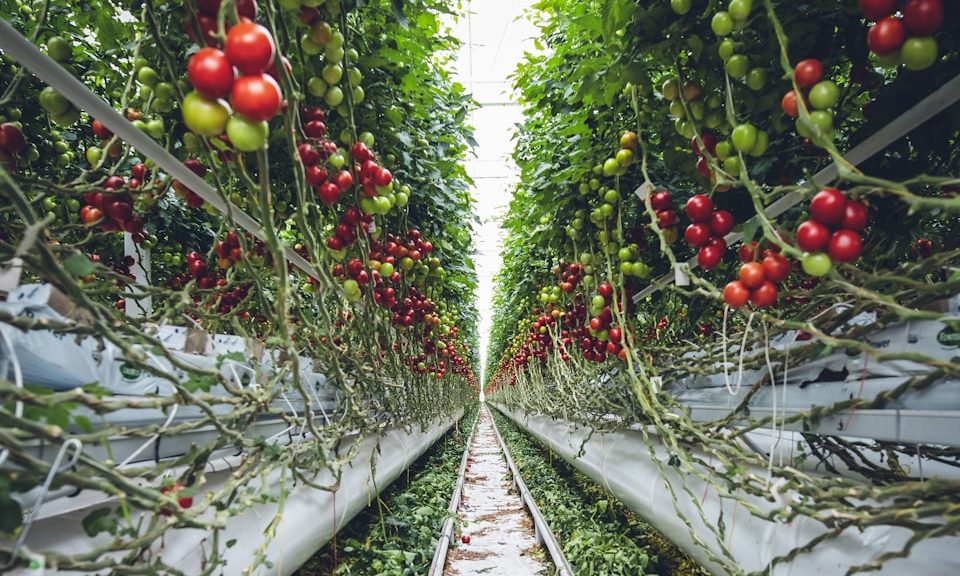
Vertical farming techniques and systems
ISIFARMER: Increase the yield of your crops with revolutionary vertical farming techniques, while saving the planet. Find out how now!
How to start vertical farming
The most complete guide to setting up a vertical farm, with all the steps you have to do before starting the project, how to choose the right growing equipment, estimating costs and financing, and the steps to set up your farm and do the proper follow-up.x