
Vertical Farming Techniques
Vertical Farming Techniques
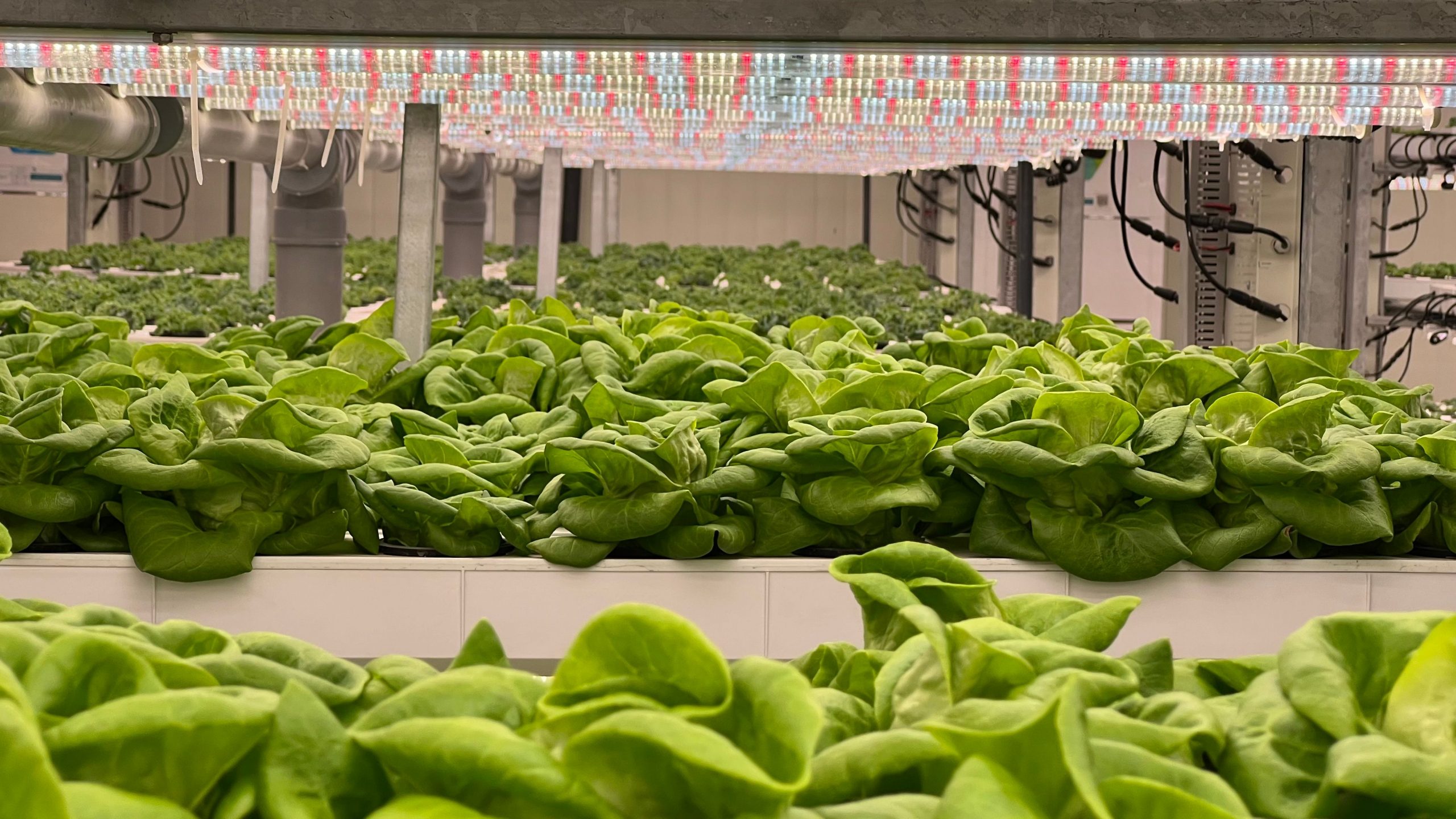
Vertical farming is an innovative and sustainable approach to growing crops in a controlled environment that can be adapted to meet the needs of urban areas. Vertical farms can be created in buildings or skyscrapers, and they are becoming increasingly popular due to their ability to grow crops efficiently and sustainably without the use of pesticides or herbicides.
In this article, we will discuss some popular vertical farming techniques: hydroponics, aeroponics and aquaponics.
Hydroponics
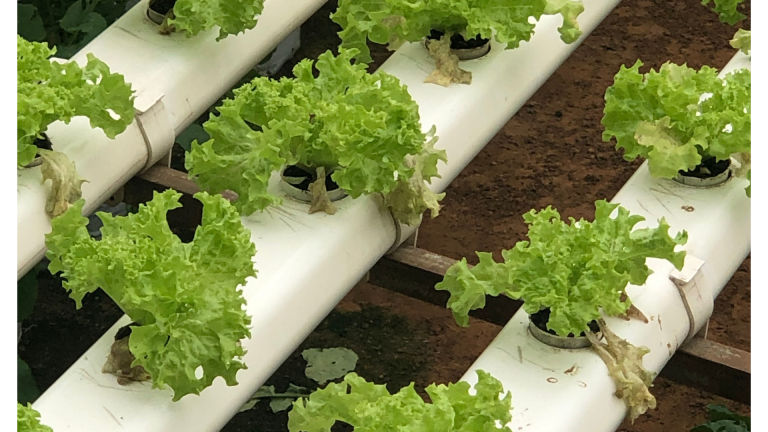
Hydroponics is a soilless method of growing plants, in which their roots are immersed in a nutrient-rich water solution rather than soil. This innovative technique has gained popularity in various settings, including urban agriculture, commercial greenhouses and even home gardening due to its many advantages over traditional soil-based cultivation.
In a hydroponic technique, plants are supported in a growing medium such as perlite, coconut coir or rockwool, which provides stability but does not supply nutrients. The nutrient solution, a mixture of water and essential minerals, is delivered directly to the plants’ roots, allowing for efficient nutrient uptake and faster growth.
Advantages:
- Water conservation: Hydroponic techniques typically use less water than traditional soil-based methods, as the nutrient solution can be recirculated and water is not lost to evaporation or runoff.
- Space efficiency: Hydroponic techniques can be designed to accommodate a high density of plants in a limited space, making them well-suited for urban environments or indoor growing.
- Reduced disease and pests: Hydroponic techniques often experience fewer soil-borne diseases and pests, resulting in less need for pesticides and fungicides.
- Faster growth and higher yields: The direct delivery of nutrients to the roots allows plants to grow more rapidly and produce larger harvests than in soil-based techniques.
Cleaner produce: Since hydroponic plants are not grown in soil, the harvested produce is typically cleaner and less likely to be contaminated by soil-borne pathogens.
Challenges:
- Nutrient management: Plants depend entirely on the nutrient solution, so incorrect nutrient concentrations can cause deficiencies, toxicity or poor growth.
- Root health: Poor oxygenation, high water temperatures, or inadequate circulation can damage roots and encourage diseases such as root rot.
- System maintenance: Pumps, pipes and water circulation need regular monitoring. Blockages or equipment failures can quickly interrupt water and nutrient delivery.
In summary, hydroponics is an innovative and promising method of cultivation that offers numerous advantages over traditional soil-based techniques. Overall, hydroponic vertical farming is a valuable technique for situations where land or resources are limited, or where consistent, high-quality crop production is desired. As technology continues to advance, it is likely that hydroponic techniques will become even more efficient and accessible, further transforming the way we grow plants.
Aeroponics
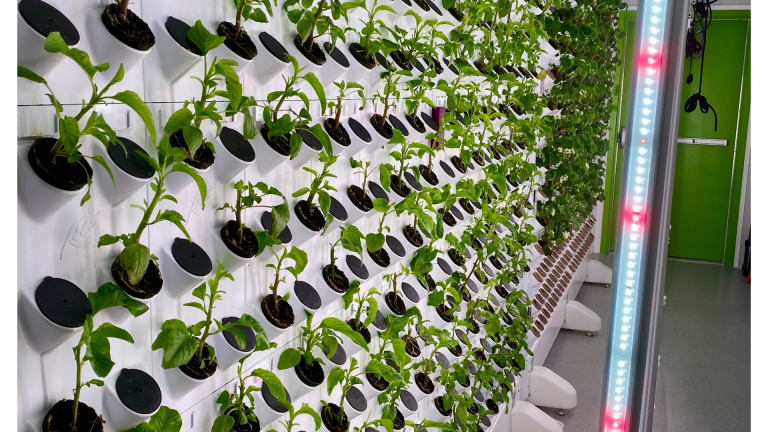
Aeroponics is an innovative method of growing plants without soil, utilizing a nutrient-rich mist or fog to deliver essential nutrients directly to the roots. This advanced technique offers several benefits over traditional soil-based cultivation methods and has been adopted in various settings, including urban environments, vertical farms, and space exploration.
In an aeroponic technique, plants are suspended in the air with their roots exposed. A nutrient solution, which is a mixture of water and essential minerals, is atomized into a fine mist or fog and applied directly to the roots. This allows plants to absorb nutrients and oxygen more efficiently than in soil-based techniques, resulting in faster growth and higher yields.
Advantages:
- Water conservation: Aeroponic techniques use significantly less water than traditional soil-based methods, as the nutrient solution can be recirculated, reducing overall water consumption.
- Space efficiency: Due to the vertical orientation and compact nature of aeroponic techniques, they can be used in environments with limited space, such as urban areas or indoors.
- Reduced disease and pests: The absence of soil eliminates many common soil-borne diseases and pests, reducing the need for pesticides and fungicides.
- Faster growth and higher yields: The efficient delivery of nutrients and oxygen directly to the roots allows plants to grow more rapidly and produce larger harvests.
- Cleaner produce: Since aeroponic plants are not grown in soil, the harvested produce is often cleaner and less likely to be contaminated by soil-borne pathogens.
Challenges:
- Misting system reliability: Plants receive nutrients through a fine mist, so a pump failure or blocked nozzle can cause exposed roots to dry out very quickly.
- Environmental control: Temperature, humidity and airflow need to be carefully managed because the roots are exposed directly to the surrounding air.
- Technical complexity: Aeroponic systems require precise equipment and regular maintenance, making them less forgiving of technical problems than simpler growing systems.
Overall, aeroponics is an exciting and promising method of cultivation that offers numerous advantages over traditional soil-based techniques . As technology continues to advance, it is likely that aeroponic techniques will become even more efficient and accessible, further revolutionizing the way we grow plants.
Aquaponics
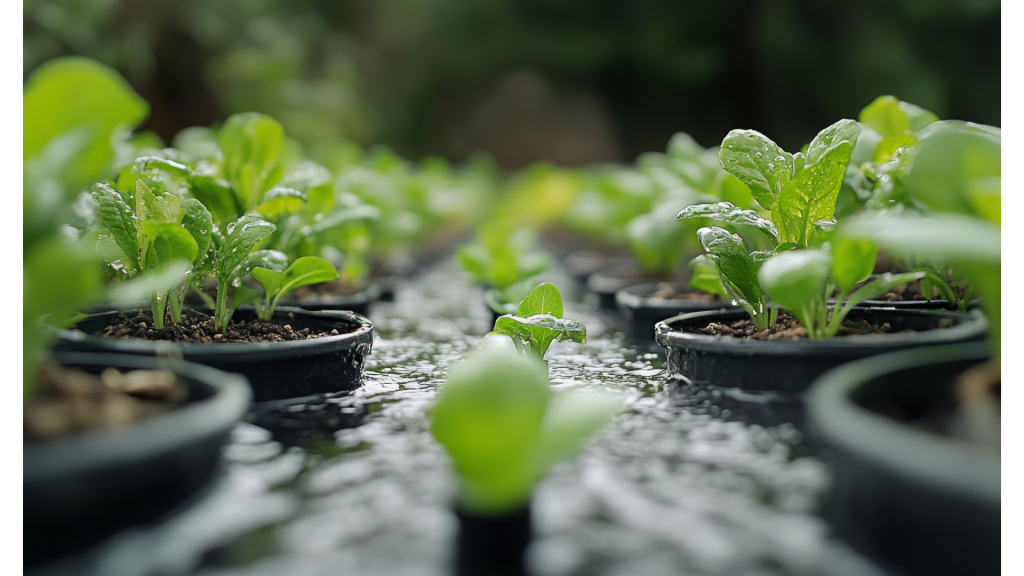
Aquaponics is a sustainable method of growing plants and raising fish simultaneously, combining the principles of hydroponics and aquaculture. In this technique, plants are grown in a soilless environment, and fish are raised in a separate tank. The waste produced by the fish is converted into nutrients for the plants, while the plants help filter and clean the water for the fish.
This closed-loop technique has gained popularity in various settings, including urban agriculture, small-scale farming and even home gardening, due to its many advantages over traditional soil-based cultivation.
In an aquaponic technique, plants are supported in a growing medium, such as perlite, coconut coir or expanded clay pebbles, which provides stability but does not supply nutrients. The nutrient-rich water from the fish tank, containing fish waste, is pumped into the plant-growing area, where beneficial bacteria convert the waste into nutrients for the plants. The plants absorb these nutrients, effectively filtering the water, which is then returned to the fish tank.
Advantages:
- Resource efficiency: Aquaponic techniques use less water than traditional soil-based methods and conventional aquaculture, as the water is recirculated within the closed-loop techniques, minimizing losses due to evaporation or runoff.
- Space efficiency: Aquaponic techniques can be designed to accommodate a high density of plants and fish in a limited space, making them well-suited for urban environments or indoor growing.
- Reduced disease and pests: Aquaponic techniques often experience fewer soil-borne diseases and pests, resulting in less need for pesticides and fungicides.
- Sustainable food production: Aquaponics allows for the simultaneous cultivation of plants and fish, providing a diverse and sustainable source of food.
- Reduced environmental impact: The closed-loop nature of aquaponic techniques reduces the release of nutrient-rich wastewater into the environment, minimising the potential for water pollution.
Challenges:
- Balancing fish and plants: The system must maintain suitable conditions for both fish and crops, with the number of fish, plants and amount of feed kept in balance.
- Water quality: Ammonia, nitrite, nitrate, oxygen and pH levels need careful monitoring to protect fish health and support healthy plant growth.
- Biological stability: Aquaponics depends on beneficial bacteria to process fish waste into nutrients for plants. Disrupting this biological cycle can affect the entire system.
In summary, aquaponics is an innovative and sustainable method of cultivation that offers numerous advantages over traditional soil-based techniques and conventional aquaculture. As technology continues to advance, it is likely that aquaponic techniques will become even more efficient and accessible, further transforming the way we produce food.
When to use these techniques?
Vertical farming techniques, such as hydroponics, aeroponics, and aquaponics, offer unique advantages in different contexts. When deciding which technique to use, consider factors such as space constraints, resource availability, crop selection, and environmental impact. Here are some general guidelines for when to use each method:
Hydroponics:
- You have limited space or need a scalable solution, as hydroponic techniques can be easily expanded.
- You require precise control over nutrient levels and pH balance for optimal plant growth.
- You want to grow a wide variety of crops, as hydroponics supports most plant types, including leafy greens, herbs, and fruiting plants.
- You want to save water, as hydroponic techniques typically use less water than traditional soil-based farming.
Aeroponics
- You want to maximize space utilization, as aeroponic techniques allow for high-density planting.
- You seek rapid plant growth and higher yields, as the increased oxygenation of plant roots in aeroponic techniques promotes faster growth and development.
- You want to minimize the risk of pests and diseases, as aeroponics requires less water and nutrients than hydroponics, reducing the potential for disease transmission.
- You are focused on sustainability, as aeroponic techniques generally use less water and nutrients than hydroponic techniques.
Aquaponics:
- You want to create a closed-loop, sustainable technique that combines raising fish and plants symbiotically.
- You are interested in producing both fish and crops for consumption or sale, diversifying your output.
- You have access to a larger space, as aquaponic techniques require additional room for fish tanks and associated equipment.
- You want to minimize the use of external inputs, as the fish waste provides nutrients for plants, reducing the need for chemical fertilizers.
Ultimately, the choice between hydroponics, aeroponics, and aquaponics will depend on your specific goals, available resources, and preferred crops. Each method has its advantages and disadvantages, so it is important to carefully evaluate your needs and constraints before selecting a vertical farming technique.
Conclusion
In conclusion, aeroponics, hydroponics, and aquaponics are three innovative vertical farming methods that offer unique advantages over traditional soil-based cultivation. Each method utilizes a soilless growing environment and promotes more efficient use of resources, such as water and space. These techniques also tend to result in fewer soil-borne diseases and pests, leading to reduced reliance on pesticides and fungicides.
Aeroponics uses a nutrient-rich mist or fog to deliver essential nutrients directly to the roots of suspended plants. Hydroponics immerses plant roots in a nutrient-rich water solution, while aquaponics combines plant cultivation with fish farming in a closed-loop technique, where fish waste provides nutrients for the plants, and the plants help filter and clean the water for the fish.
While all three methods share common benefits, they each have their own set of challenges and limitations, such as initial costs, technical complexity, and reliance on electricity. Despite these challenges, these vertical farming methods have the potential to revolutionize agriculture and food production, making it more sustainable, efficient, and accessible.
As technology continues to advance, it is expected that aeroponics, hydroponics, and aquaponics will become even more efficient and widely adopted, offering viable solutions to the growing global demand for food, limited arable land, and the need to conserve water and other resources. By embracing these innovative farming techniques, we can work towards a more sustainable and resilient food technique for the future.
If all this overwhelms you, don’t worry, we are here to help you and guide you through the vertical farming process.
FAQs
- What are the main differences between aeroponics, hydroponics, and aquaponics?
Aeroponics delivers nutrients to plant roots via a nutrient-rich mist or fog, while hydroponics immerses plant roots in a nutrient-rich water solution. Aquaponics combines plant cultivation with fish farming in a closed-loop technique, where fish waste provides nutrients for the plants, and the plants help filter and clean the water for the fish. - Are these vertical farming methods more efficient than traditional soil-based agriculture?
Yes, these methods generally use less water, require less space, and result in faster growth and higher yields compared to traditional soil-based agriculture. They also tend to experience fewer soil-borne diseases and pests, reducing the need for pesticides and fungicides. - Can these methods be used for home gardening?
Yes, aeroponics, hydroponics, and aquaponics techniques can all be adapted for home gardening, though they may require an initial investment in equipment and materials, as well as ongoing monitoring and maintenance. - Do these methods produce organic crops?
Crops grown using these methods can be considered organic if they meet the specific criteria and regulations for organic production, such as using organic nutrient solutions and avoiding synthetic pesticides and fungicides. However, the classification may vary depending on the country or region’s organic certification standards. - Can any plant species be grown using these methods?
While most plants can be grown using aeroponics, hydroponics, or aquaponics, some species may be better suited to one method over another due to their specific nutrient requirements, growth habits, or root structures. It’s essential to research the specific needs of each plant species before attempting to grow them using these methods. - How do I choose between aeroponics, hydroponics, and aquaponics?
The choice between these methods depends on various factors, including your budget, space availability, desired crops, and personal preferences. Each method has its own advantages and challenges, so it’s essential to research and consider your specific situation before deciding which method is best for you. - Are these methods environmentally friendly?
In general, aeroponics, hydroponics, and aquaponics are considered more environmentally friendly than traditional soil-based agriculture due to their reduced water consumption, minimized runoff, and lower dependence on pesticides and fungicides. However, they often rely on electricity, which may have environmental implications depending on the energy source. - Can these methods be used for commercial farming?
Yes, aeroponics, hydroponics, and aquaponics have been successfully implemented in commercial farming settings, such as large-scale greenhouses and vertical farms, to produce high-quality, high-yield crops in an efficient and sustainable manner.
Related Posts
Vertical Farming Crops and Plants
Discover the top crops and plants for vertical farming in our concise article. Explore ideal varieties, and learn how to optimize space and yield in urban agriculture.
How to Start Vertical Farming
The most complete guide to setting up a vertical farm, with all the steps you have to do before starting the project, how to choose the right growing equipment, estimating costs and financing, and the steps to set up your farm and do the proper follow-up.